How to Choose a Nikkah Dress for the Bride
For the nikkah, most Pakistani brides go for white, off white, ivory, gold or a soft pastel, and they keep the work lighter than on the barat outfit. Choosing a nikkah dress for the bride usually comes down to the venue, the time of day and whether the nikkah falls on the barat day.
We cover colors, embroidery, outfit styles, fabric and the dupatta below, plus a short note on what the groom and the bride's sister usually wear.
How a Nikkah Dress Differs From a Barat Outfit
Most brides save their heaviest outfit, usually red or maroon, for the barat. The nikkah is a smaller moment. You sit with your parents and siblings while the nikahnama is signed, and people see the outfit from a few feet away, not from the back of a hall. Lighter colors and finer work make more sense at that distance.
Nikkah at Home, in a Masjid or in a Hall
At home, things are relaxed. A long shirt with trousers or a light gharara is enough, with the work kept to the neckline and sleeves. For a masjid nikkah, full sleeves, a longer shirt and a dupatta that stays in place over your head are sensible choices. Check the masjid's dress expectations beforehand. A hall nikkah allows a dressier look, since guests sit further away and there is more space for a flared outfit.
When the Nikkah and Barat Are on the Same Day
Some families hold the nikkah a few hours before the rukhsati on the barat day. If that's your plan, you'll most likely wear the barat outfit for both and just change how the dupatta is set. Changing into a lighter outfit for the nikkah is possible, but it means a second round of hair and dupatta pinning on an already long day. When the nikkah has its own day, you're free to choose a separate, lighter outfit.
Nikkah Dress Colors for the Bride
Start with color. Once that's settled, most other choices follow from it.
White, Off White and Ivory
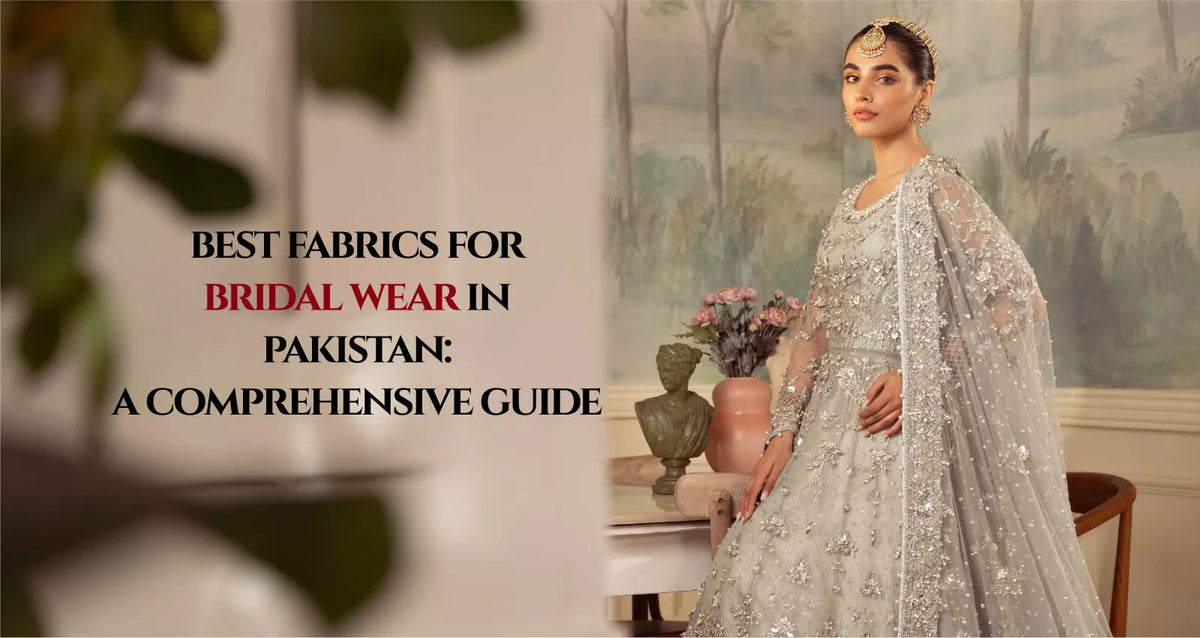
White is the classic nikkah color, along with its warmer shades. Under bright lights, though, pure white can look flat and harsh, which is why a lot of brides switch to off white or ivory. Both are kinder to most skin tones and sit well with gold or silver work. Our Ivory Seria is one example. It is an ivory sheesha silk outfit with sequin and Swarovski embellishments and a cutout neckline, paired with a pure organza dupatta finished with sheesha silk borders.

White With a Red Dupatta
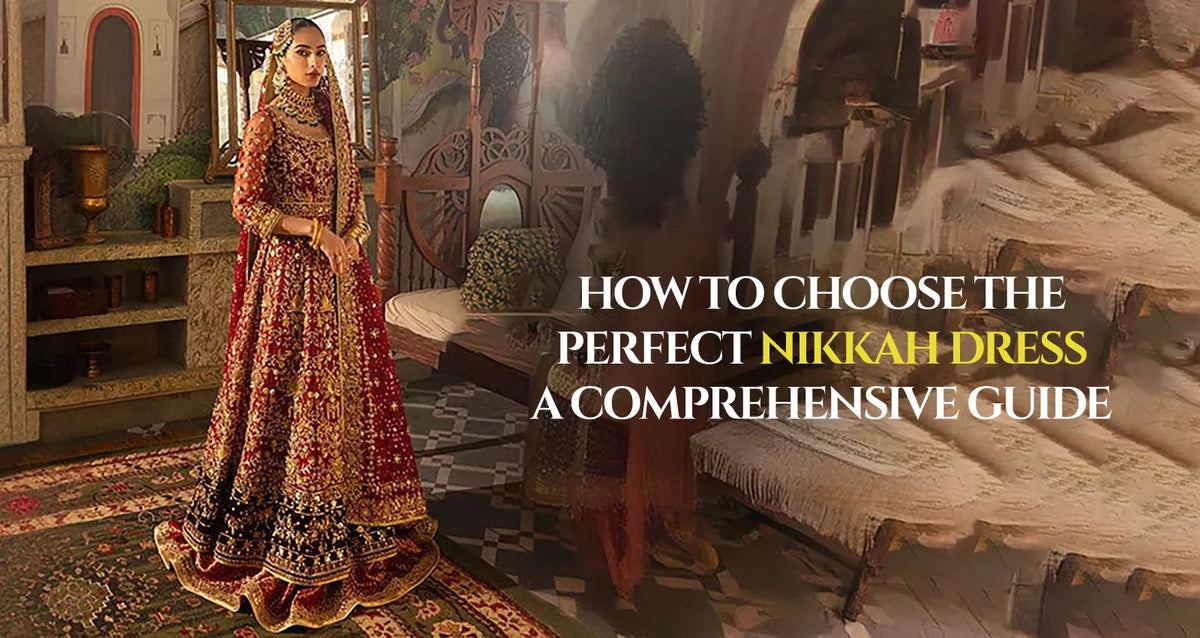
A white or ivory outfit with a red dupatta is a traditional nikkah look that has become popular again. The red links the nikkah to the barat colors without making the outfit heavy. Pick one red, either deep or true red, and put the embroidery on the dupatta so the outfit underneath can stay plain.
Gold and Soft Pastels
Gold works best in the evening or in a hall, where warm lighting picks up the shine. For most brides, champagne or honey gold is easier to carry than a bright yellow gold. Our Celestial Gold comes in honey gold sheesha silk with crystal and diamante work, a floor length shirt with a scalloped hem and a khaddi net dupatta. For a daytime nikkah, pastels like tea pink, mint, lilac and powder blue work well, and they keep the nikkah photos from looking like the barat ones.
How Much Work Suits a Nikkah Dress
Going simple doesn't mean going plain. A simple nikkah dress for the bride focuses on carefully placed embroidery rather than covering every inch. Gota, resham, pearls and fine sequins look neat when someone is standing next to you, and they won't weigh you down while you sit through the ceremony. You can still use zardozi or dabka, but on a nikkah outfit it usually stays on the neckline, the sleeves or the dupatta border.
Want more detail? Put it in one place. A heavily worked front with plain trousers looks finished without becoming heavy to wear. Our Liya Pink does exactly this. The net shirt carries silver, pearl, sitara, cutdana and stone work on the front and sleeves, and the straight raw silk trousers are left plain. There's no dupatta with it, so add a light organza or net one in pink or ivory for the nikkah.

Nikkah Outfit Styles
Each of these Pakistani dress styles sits and moves differently, so think about where you'll be sitting and how much you'll move before you pick one.
| Style | Best for | Keep in mind |
|---|---|---|
| Gharara | A traditional nikkah at home or in a hall | Fitted to the knee and flared below it, so it sits well on the floor |
| Sharara | A daytime or smaller nikkah | Flares from the waist and is easy to move in |
| Lehenga | A hall nikkah or a same day barat | Fuller skirt that takes more space when seated |
| Maxi or pishwas | An evening nikkah | Floor length and easy to drape a dupatta over |
| Long shirt with trousers | A home or masjid nikkah | The simplest and most modest option |
| Saree | A hall nikkah | Less common for a nikkah and harder to keep in place while seated |
Fabric for a Day or Evening Nikkah
On a warm afternoon, organza, chiffon and net are the easiest bridal fabrics to wear. Sheesha silk and raw silk hold their shape without feeling heavy, so they suit a day or evening nikkah equally well. If it's a winter evening, a heavier silk or a jamawar piece will keep you warmer.
The Nikkah Dupatta and Hijab Styling
Of all the wedding events, the nikkah is the one where the dupatta stays on your head the longest. Net and organza are light enough to wear for an hour or more, and they keep a neat shape around the face. Pin it at the crown and behind each ear, because you'll lean forward to sign the nikahnama and a loose dupatta tends to slide.
Two dupattas are a common fix if you want more work on show. One light dupatta goes on the head and a heavier one goes over the shoulders, so the weight never sits on your head. Some families still follow the ghoonghat, with the dupatta pulled forward over the face, and a sheer net or organza is the only practical choice for it. Hijabi brides usually set the hijab first over a cap and then add the dupatta. Matching the hijab to the outfit's base color looks cleanest, and a matha patti or tikka can be pinned on top.
Jewelry and Makeup for a Nikkah Look
Keep the jewelry lighter than you would for the barat. Pearls, kundan earrings and a small tikka or matha patti go well with white and ivory, and gold sets look right with gold and pastel outfits. The jhoomar and the heavy necklace can wait for the barat. The same goes for makeup. Soft and fresh works better than full glam when the photos are taken in daylight.
Coordinating With the Groom and Family
Matching the Groom
The groom does not need to match the bride exactly. A white, off white or light gold kurta, shalwar kameez or sherwani pairs well with most nikkah colors, and a shawl or waistcoat can pick up the shade of the bride's dupatta. Many of the color pairings used for walima dresses for men work just as well at the nikkah.
What the Bride's Sister Wears
The bride's sister should look dressed up, but a step below the bride. Pastels, soft gold or a contrasting jewel tone all work. Just stay away from the bride's exact shade, and skip white or ivory if she's wearing it. A three piece formal suit is a practical choice, since sisters are often on their feet for most of the event.
Ordering Your Nikkah Dress
If the nikkah is only weeks away, ready to wear is the safer route. Custom and made to order pieces take longer, so order early enough to leave room for a fitting and small changes. Ordering from abroad? Add time for shipping and customs. Delivery within Pakistan is free and the estimated time is shown on each product page.
Summary
For most brides, the nikkah outfit is lighter and softer than the barat outfit. White, off white, ivory, gold and soft pastels are the usual colors, and a white outfit with a red dupatta is a strong traditional option. Keep the work in one area, choose a style that suits the venue and plan the dupatta as carefully as the outfit. Heavier bridal dresses are better kept for the barat, and the same thinking about venue and comfort applies when you choose a bridal dress for the other events. Once the wedding is over, storing the outfit properly keeps the work from dulling.
Frequently Asked Questions
What Color Does a Bride Wear for Her Nikkah?
White, off white and ivory are the most common choices. Gold, champagne and pastels such as tea pink, mint and lilac are popular too, especially for a daytime nikkah. Red is usually saved for the barat, although a red dupatta over a white outfit is a well loved traditional look.
Can a Bride Wear White With a Red Dupatta for the Nikkah?
Yes. It's one of the most traditional nikkah looks in Pakistan. The red dupatta ties the nikkah to the barat colors, while the white or ivory outfit keeps everything lighter. Stick to one shade of red and put most of the embroidery on the dupatta so the look stays balanced.
Should a Nikkah Dress Be Simple or Heavy?
For most brides, the answer is simple to medium, with the heaviest work saved for the barat. Gota, resham and pearls look neat from close up. If you'd like more detail, put it on the neckline, sleeves or dupatta border instead of spreading it over the whole outfit.
Gharara or Lehenga for the Nikkah, Which Is Better?
If you'll be sitting on the floor at a home or hall nikkah, a gharara is the more comfortable pick. A lehenga is better for a hall nikkah or when the nikkah and barat happen on the same day. In a masjid, a long shirt with trousers keeps things simple.
What Should the Bride's Sister Wear to the Nikkah?
She should wear something formal that is a step lighter than the bride's outfit. Pastels, soft gold or a jewel tone like emerald all work. Leave white and ivory to the bride if she's wearing them, and pick something easy to move in, because sisters rarely sit still on the day.