Amaltaas '26: Festive Formal Collection for Wedding Season
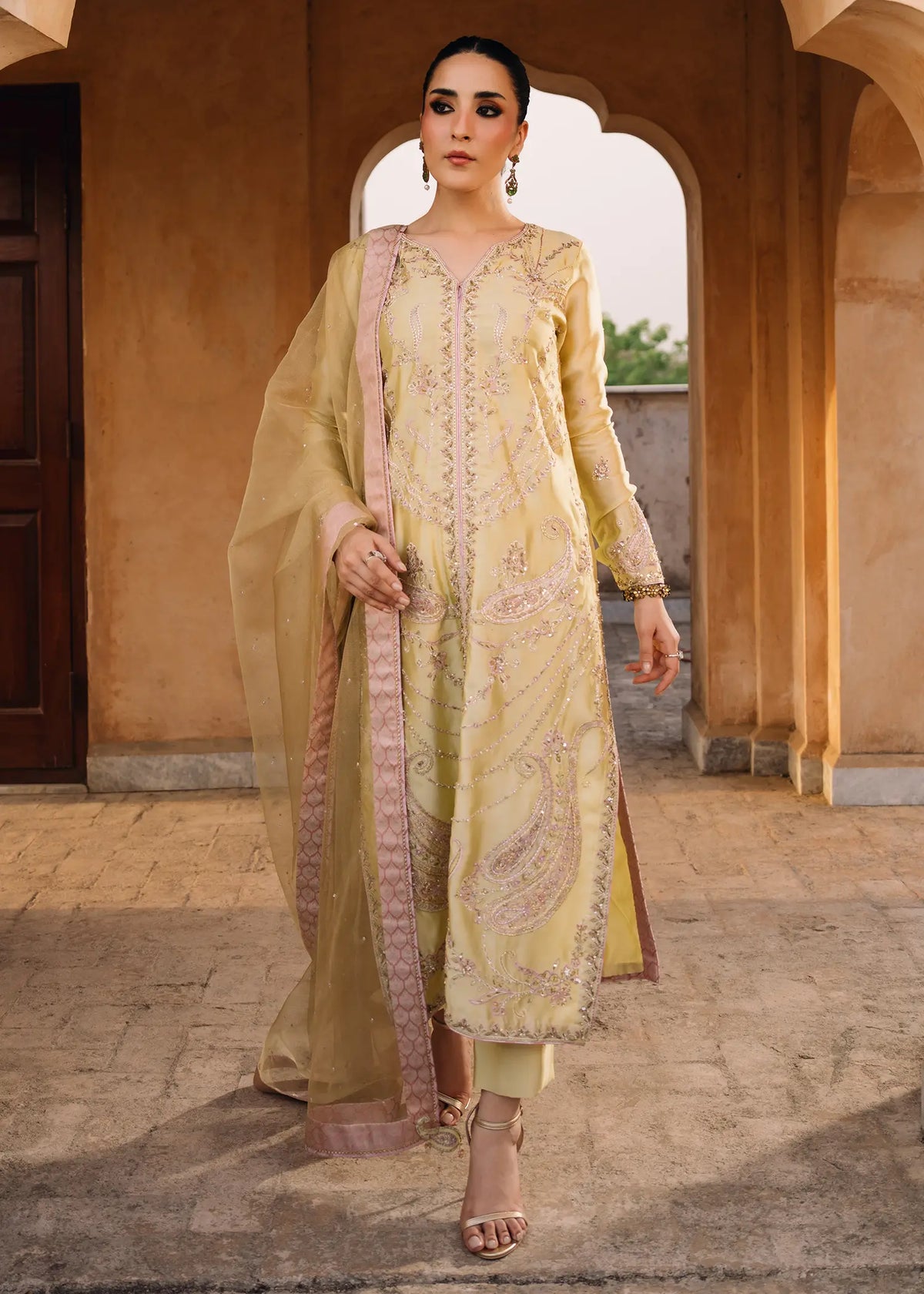
There are various functions during the marriage season in Pakistan, such as Mehndi, Nikah, Baraat, Walima, and parties. Each occasion may call for a different level of formality and detail, ranging from elaborate to more understated styles. Everyday pret might not be as detailed as you expect for these events, and bridal wear may be more detailed than necessary for a guest or family member. JEEM's Amaltaas '26 is a formal collection featuring embroidery, fabric, colour, and finishing as the main features of every design.
Formal Wear for Various Wedding Events
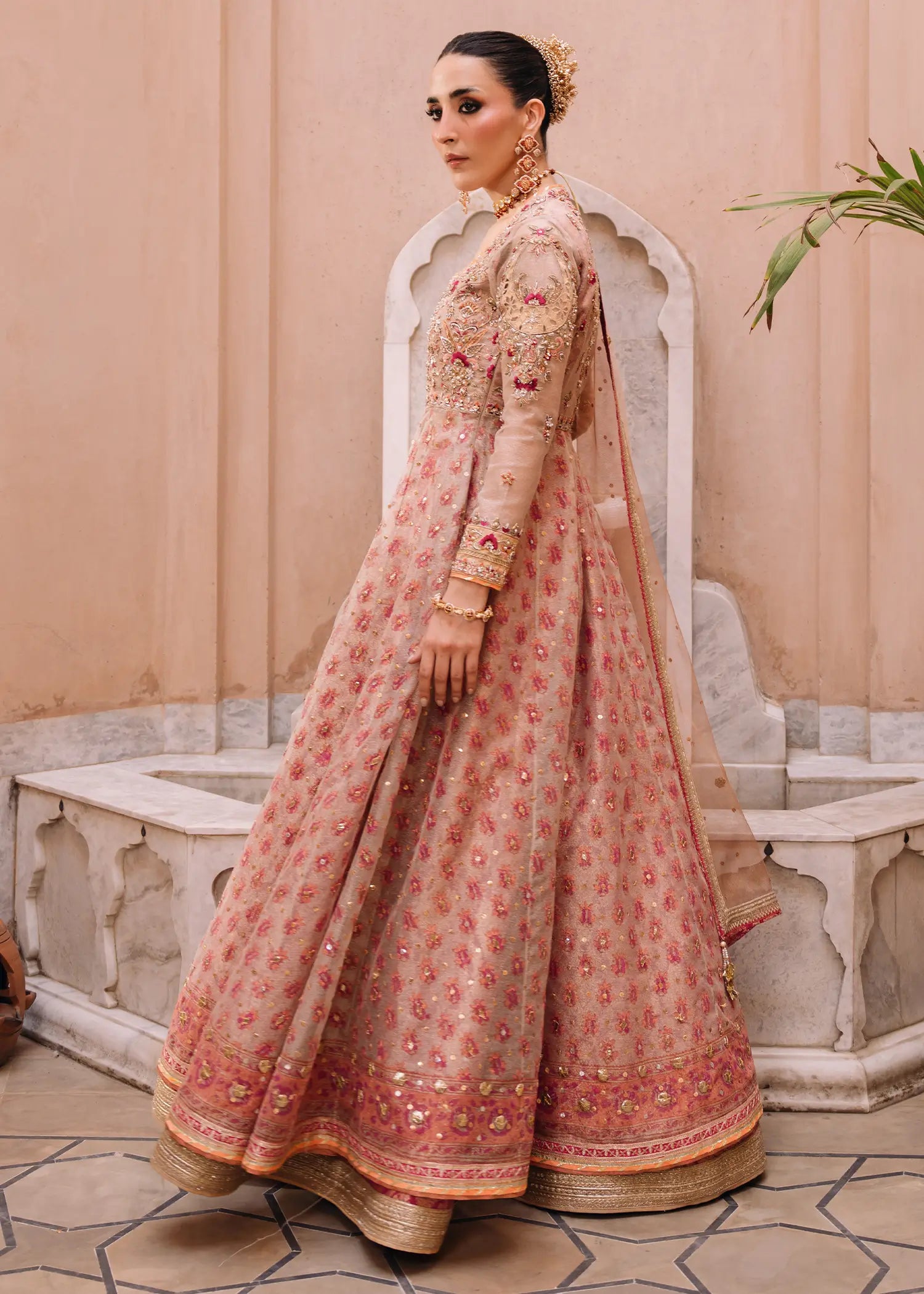
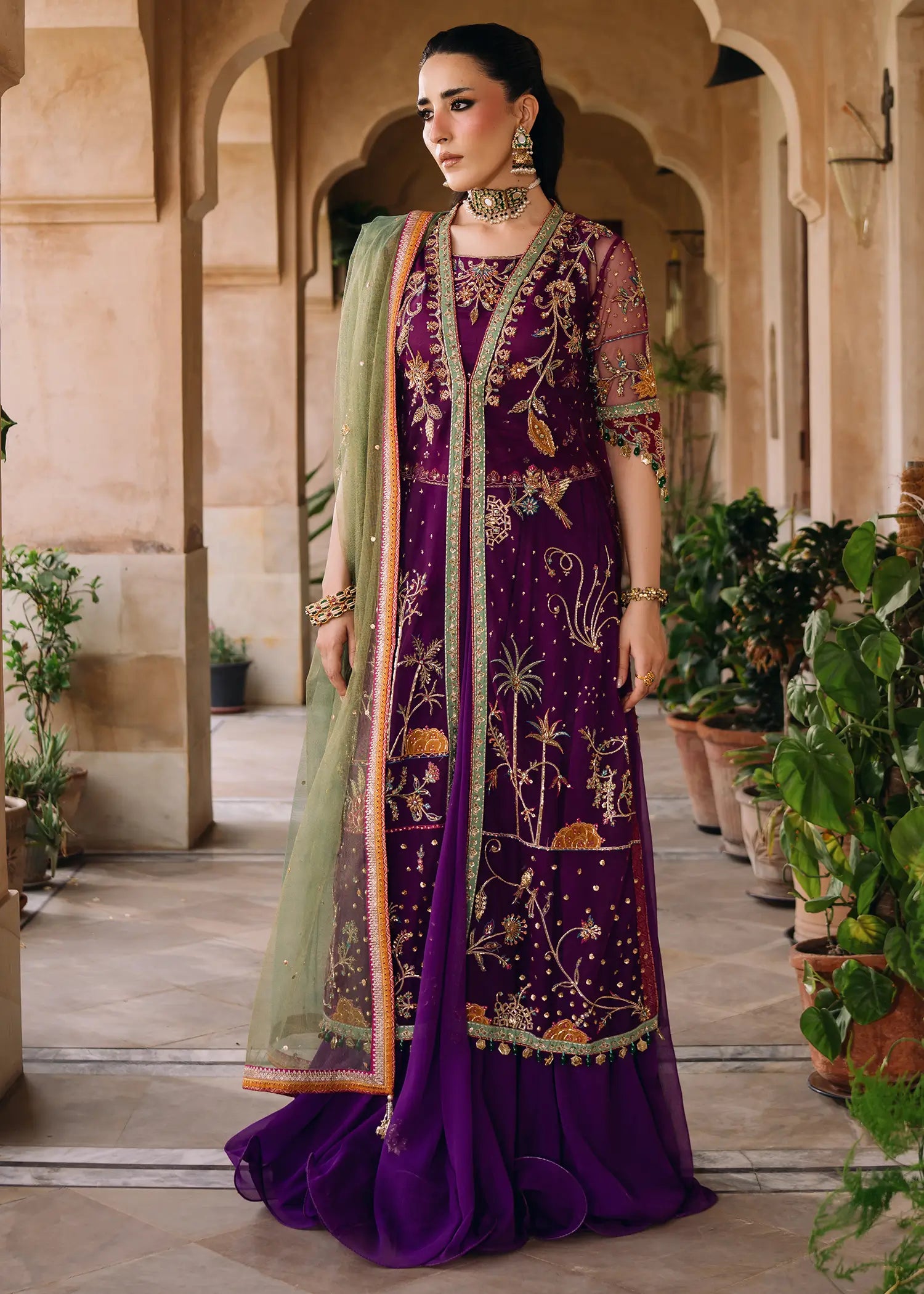
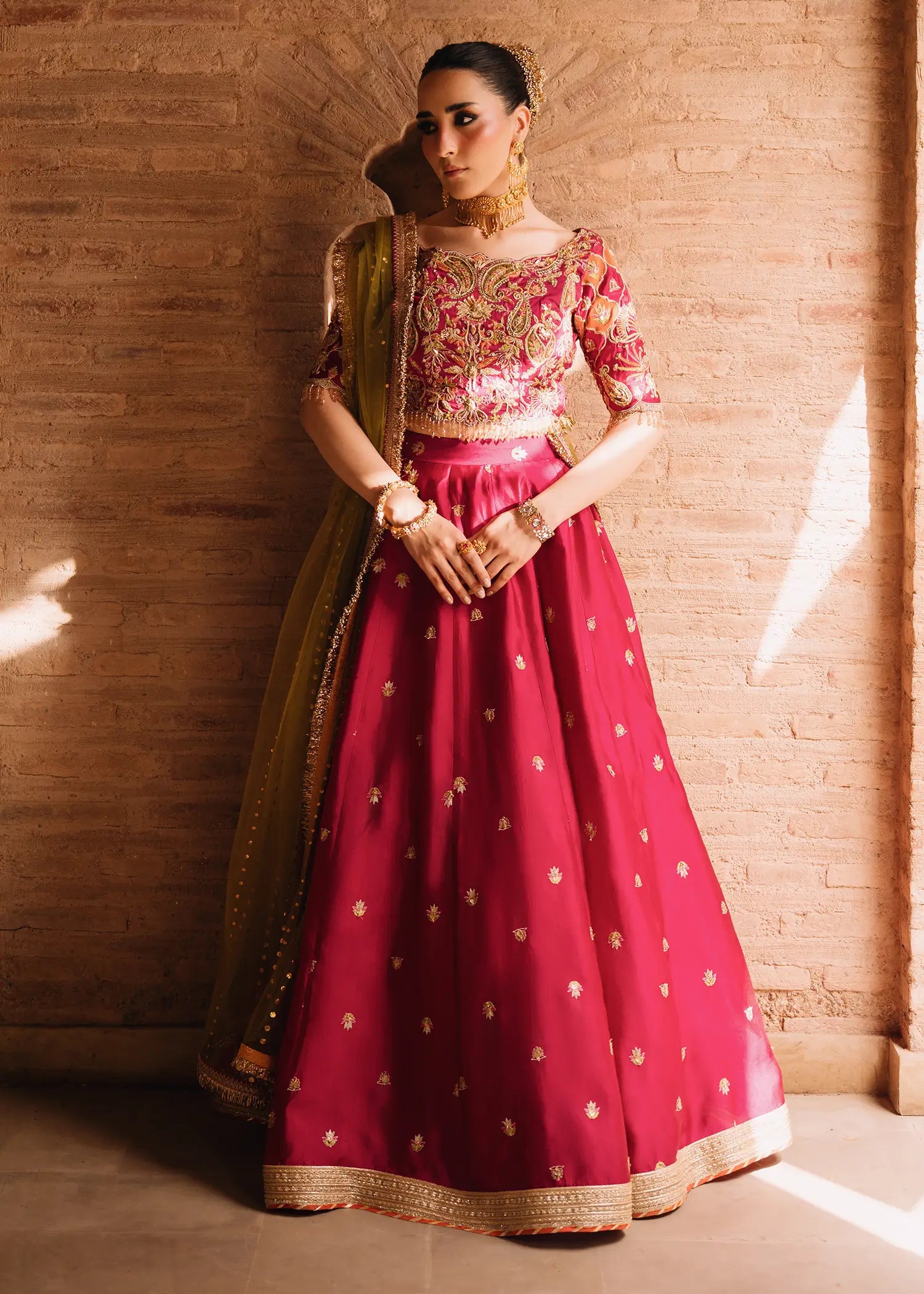
There are different types of formal attire for various aspects of a wedding. For a day event, a lighter colour and texture might be appropriate, and for an evening event, a darker colour and heavier embroidery may be more fitting, or even a more elaborate design. Amaltaas '26 features embroidered formal suits, Kalidars, Lehenga Choli, and a jacket-style collection, where the silhouettes and the degree of embroidery vary throughout the collection.
They come with a wide variety of detailed three-piece suits and more elaborate options for formal celebrations. These designs will have rich embroidery, traditional craft details, various types of fabrics, and festive colours, and are ideal for Mehndi, Nikkah, Baraat, Walima, receptions, and other Pakistani wedding occasions.
Amaltaas '26 is a part of the brand's broader festive formal lineup, alongside Celestial and JEEM's Signature Edit '26.
Embroidered Formal Suits for Pakistan's Weddings
If you want something festive without the full weight of a lehenga, this is where the suits come in. Each design has its own silhouette, so there's real variation for anyone after formal attire that isn't a full lehenga.
Sharara, Churidar and Cigarette Pants Styles
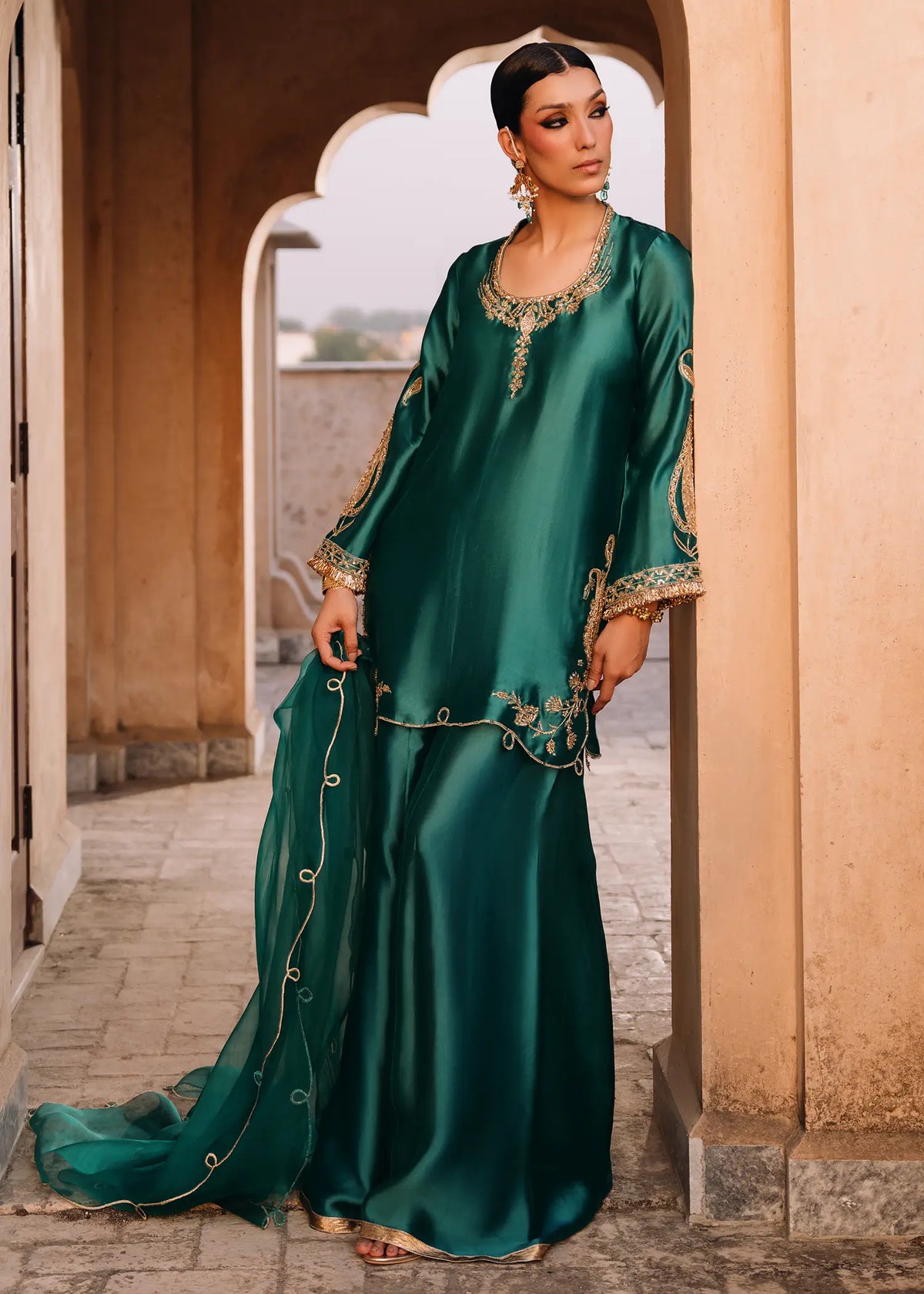
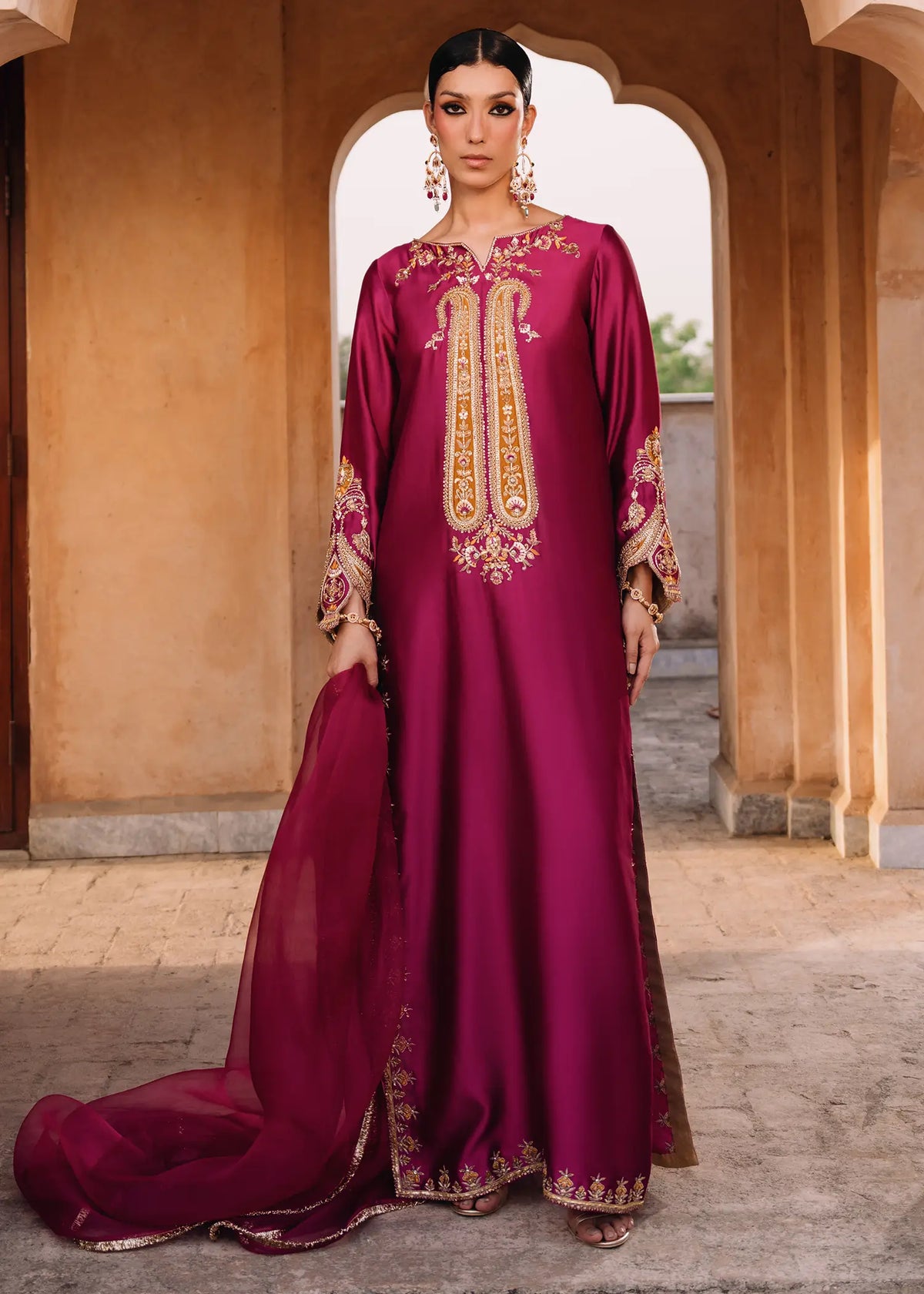
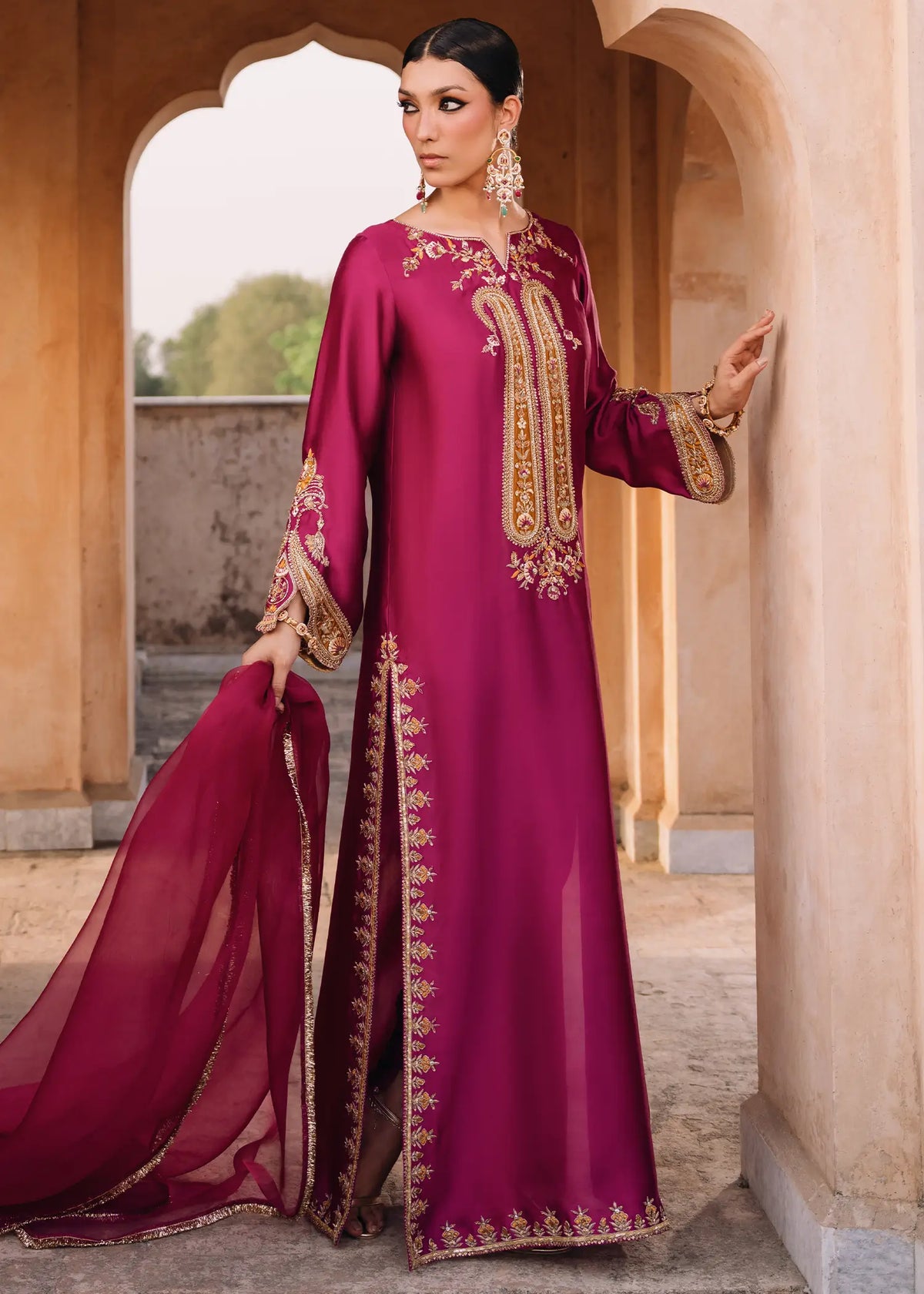
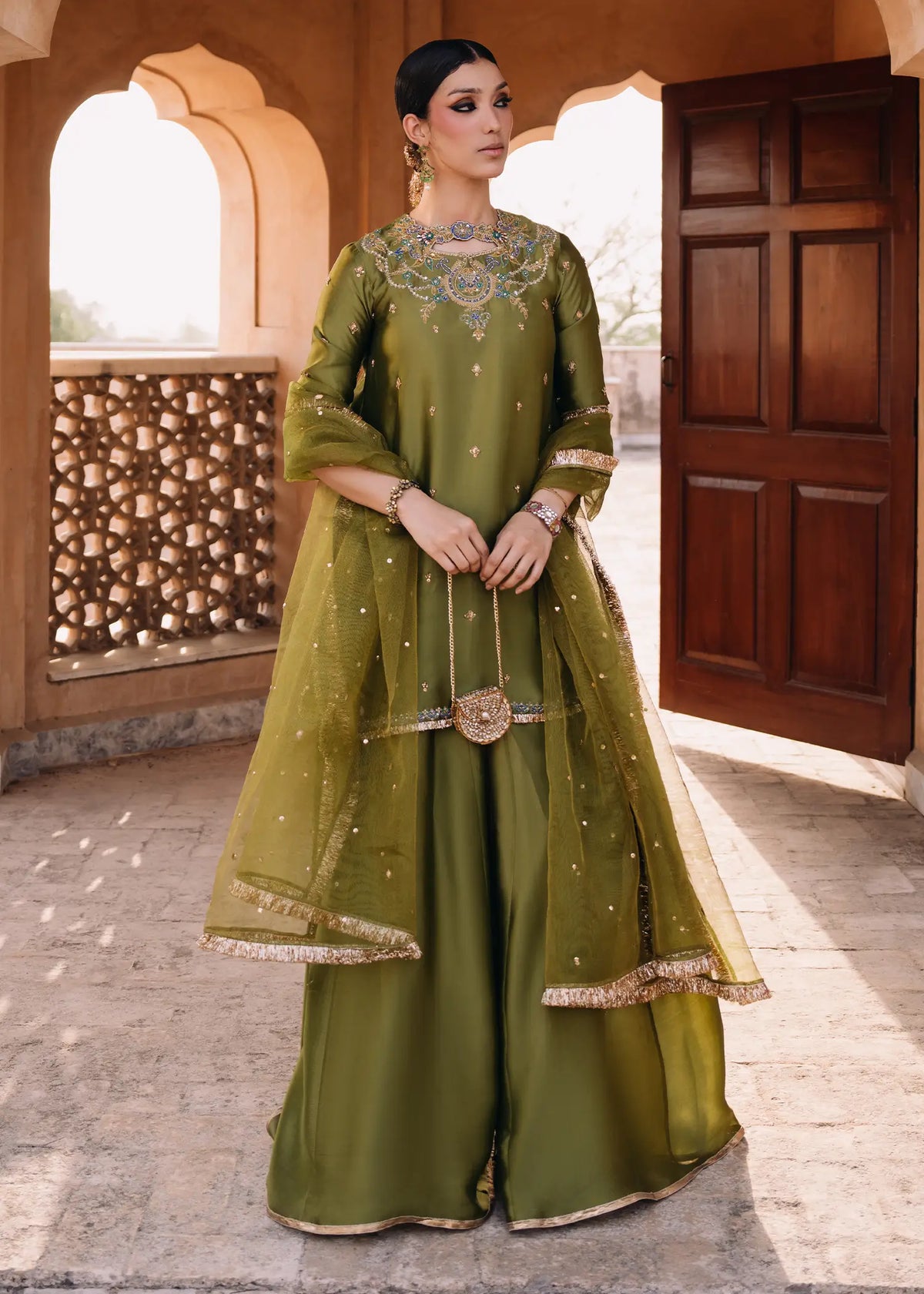
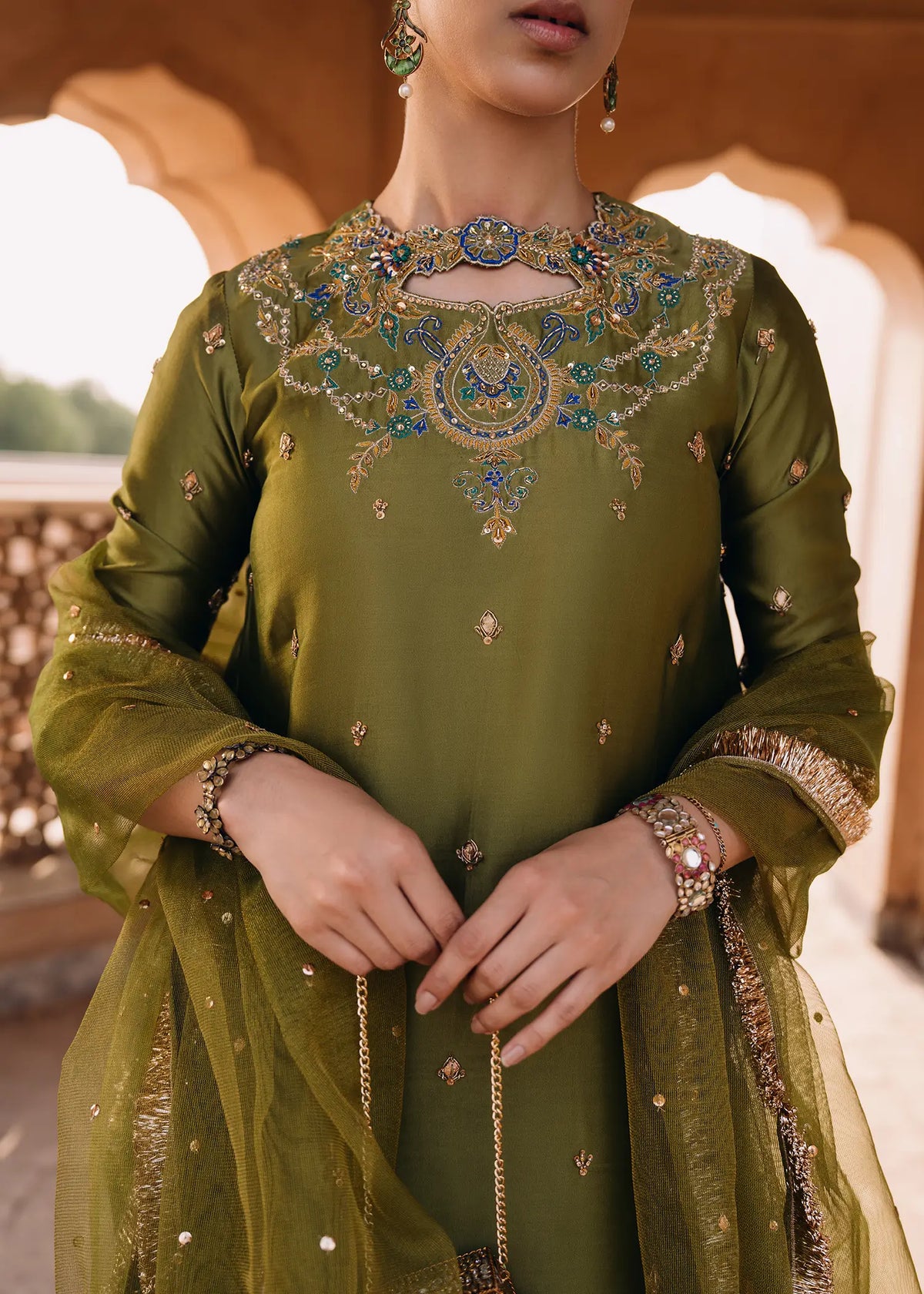
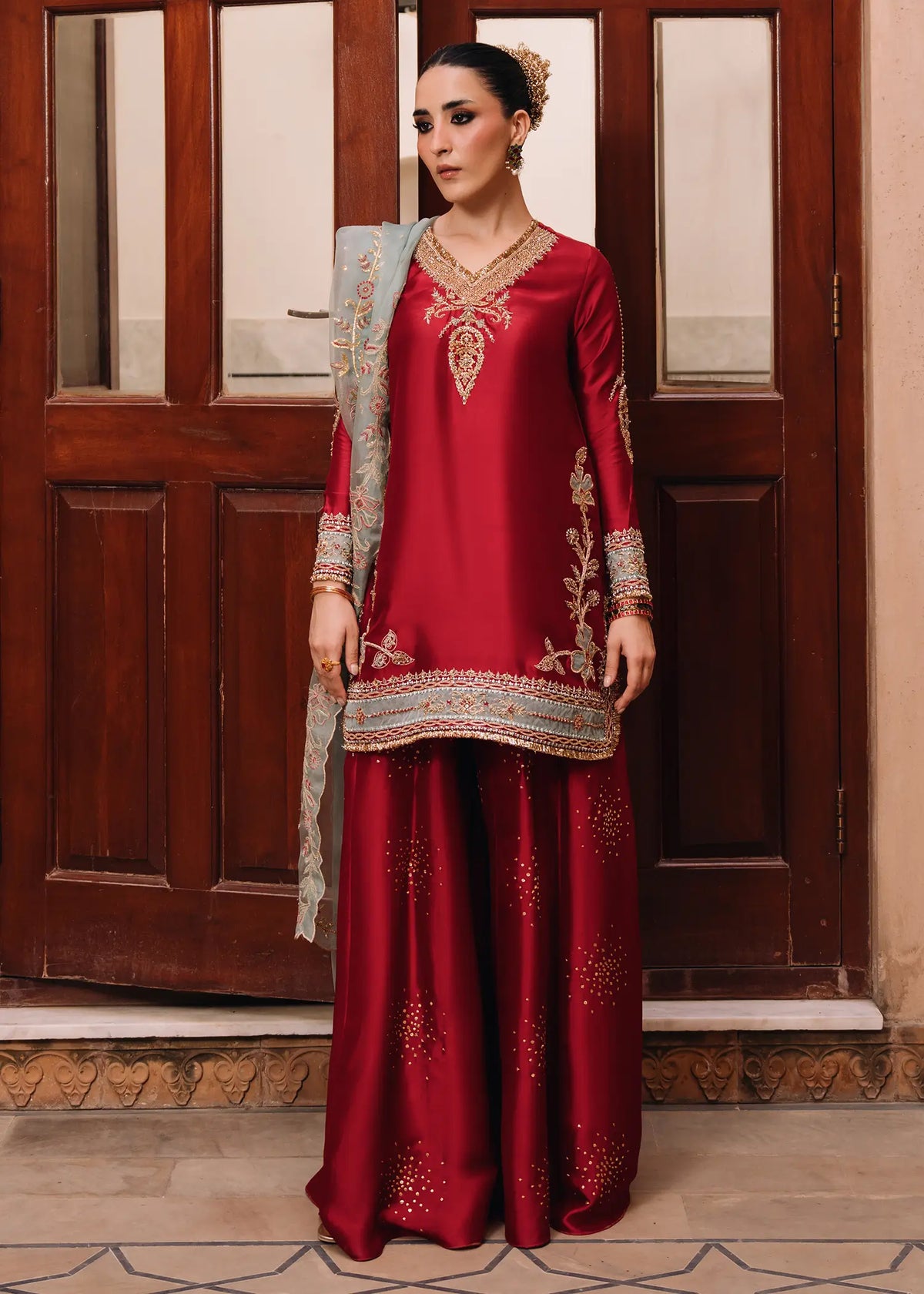
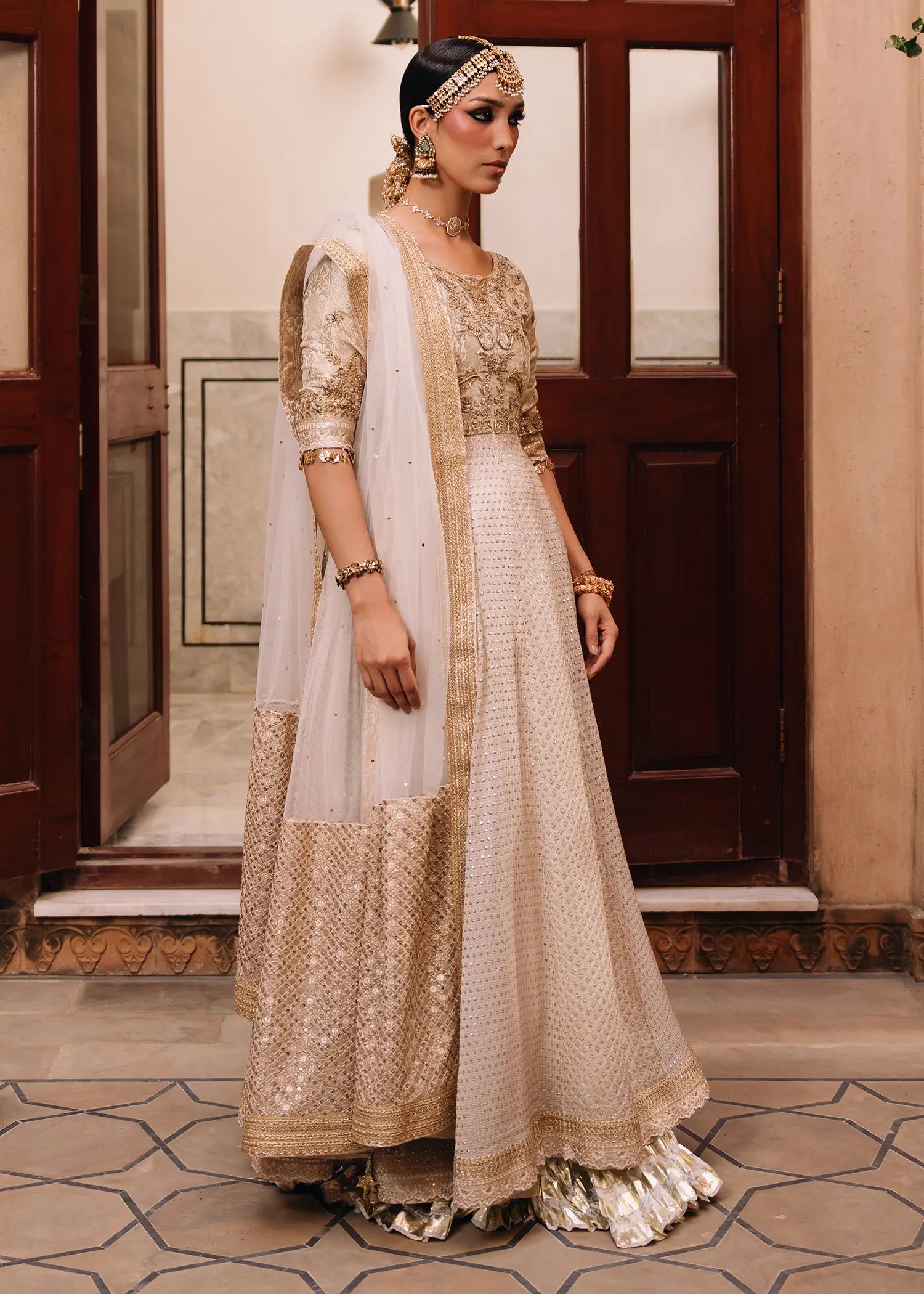
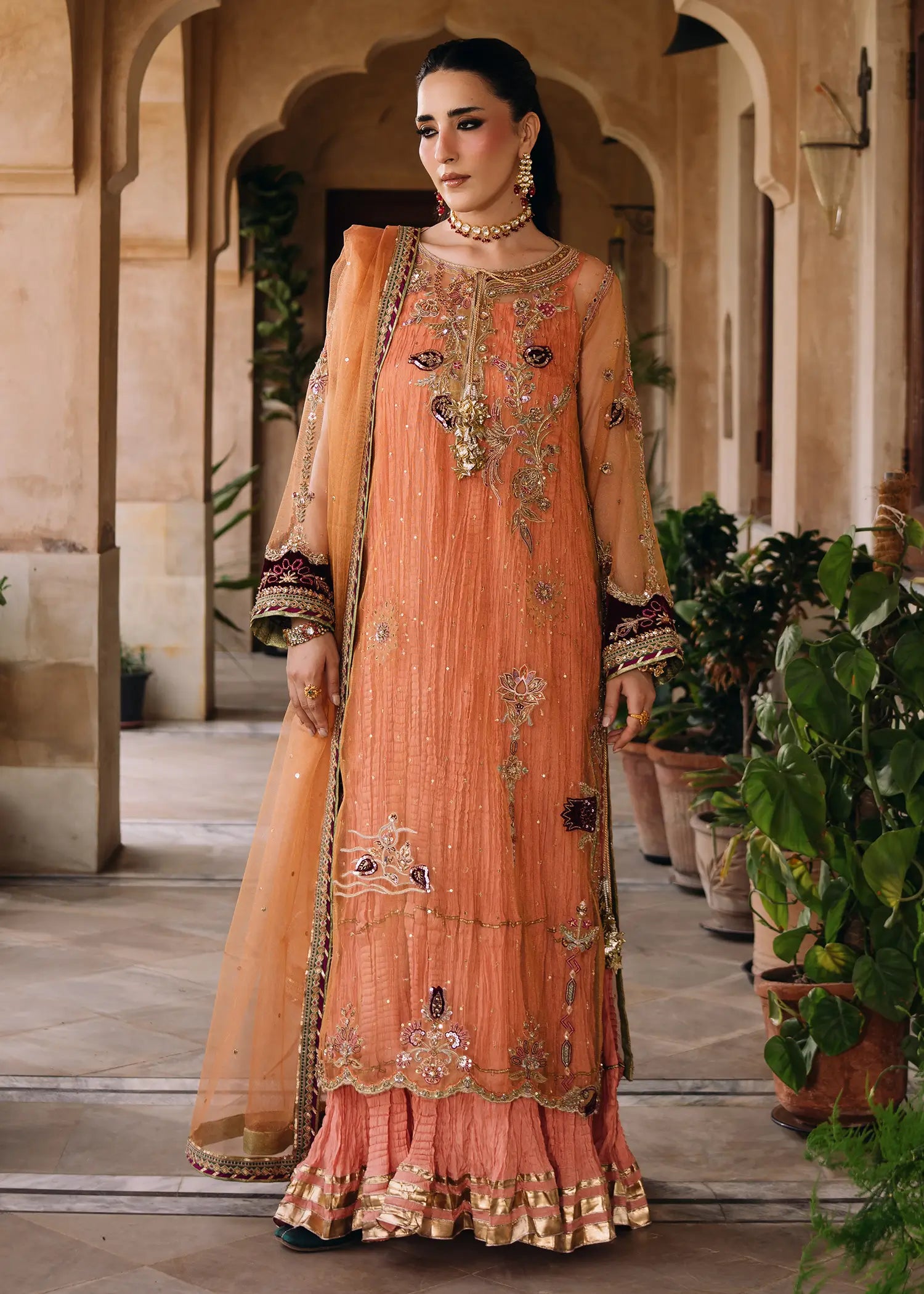
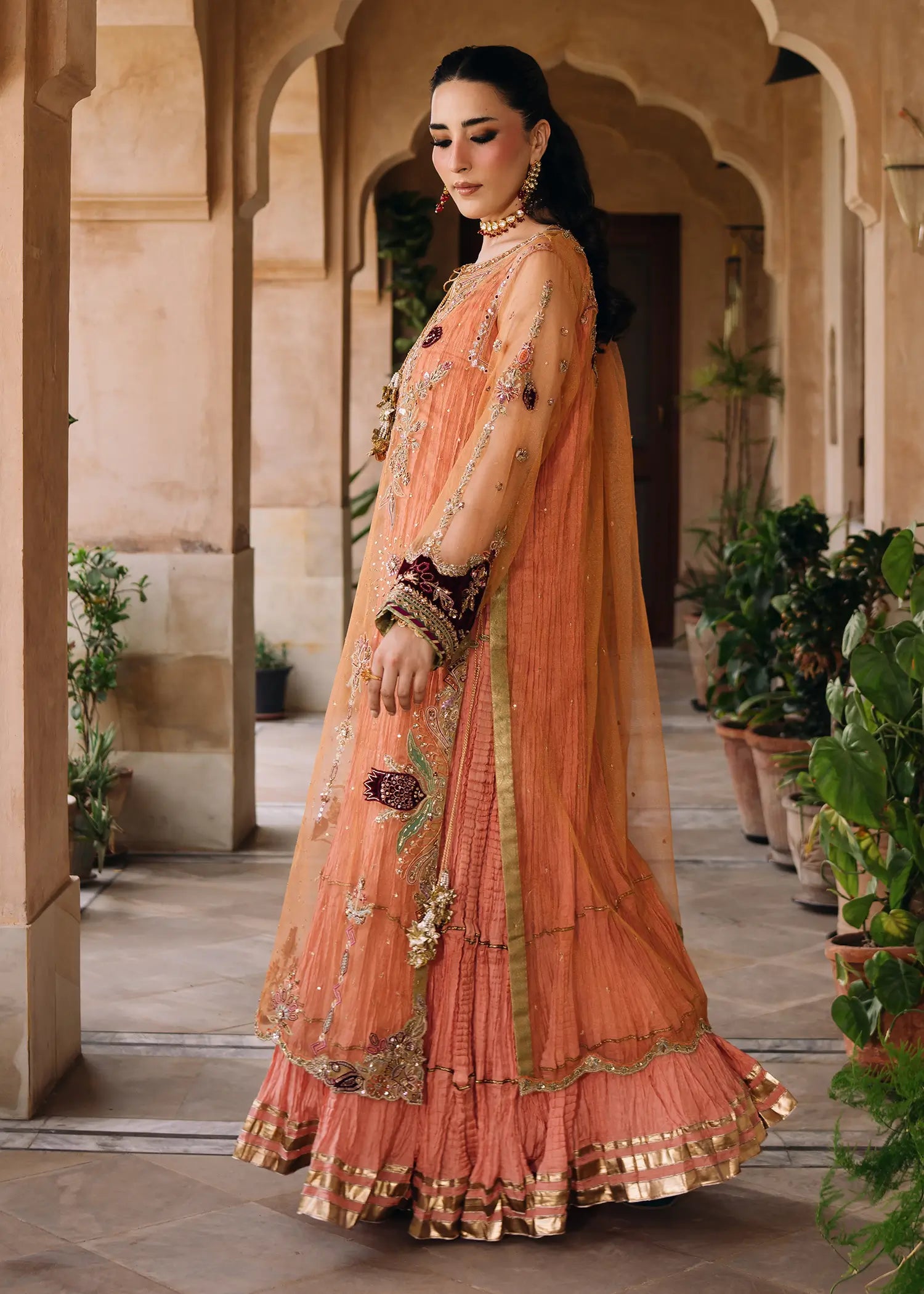
Bottoms aren't one-size-fits-all here. Sharara on some, churidar on others; a few go with straight cigarette pants instead. You'll see the mix across Mirage, Olive Tree, Magenta Paisely and Selineh Lime. Sharara means more movement. Churidar or cigarette pants: a slimmer line. Comes down to the event, honestly, and how long you'll be on your feet in it.
Zardozi and Hand Embroidery Details
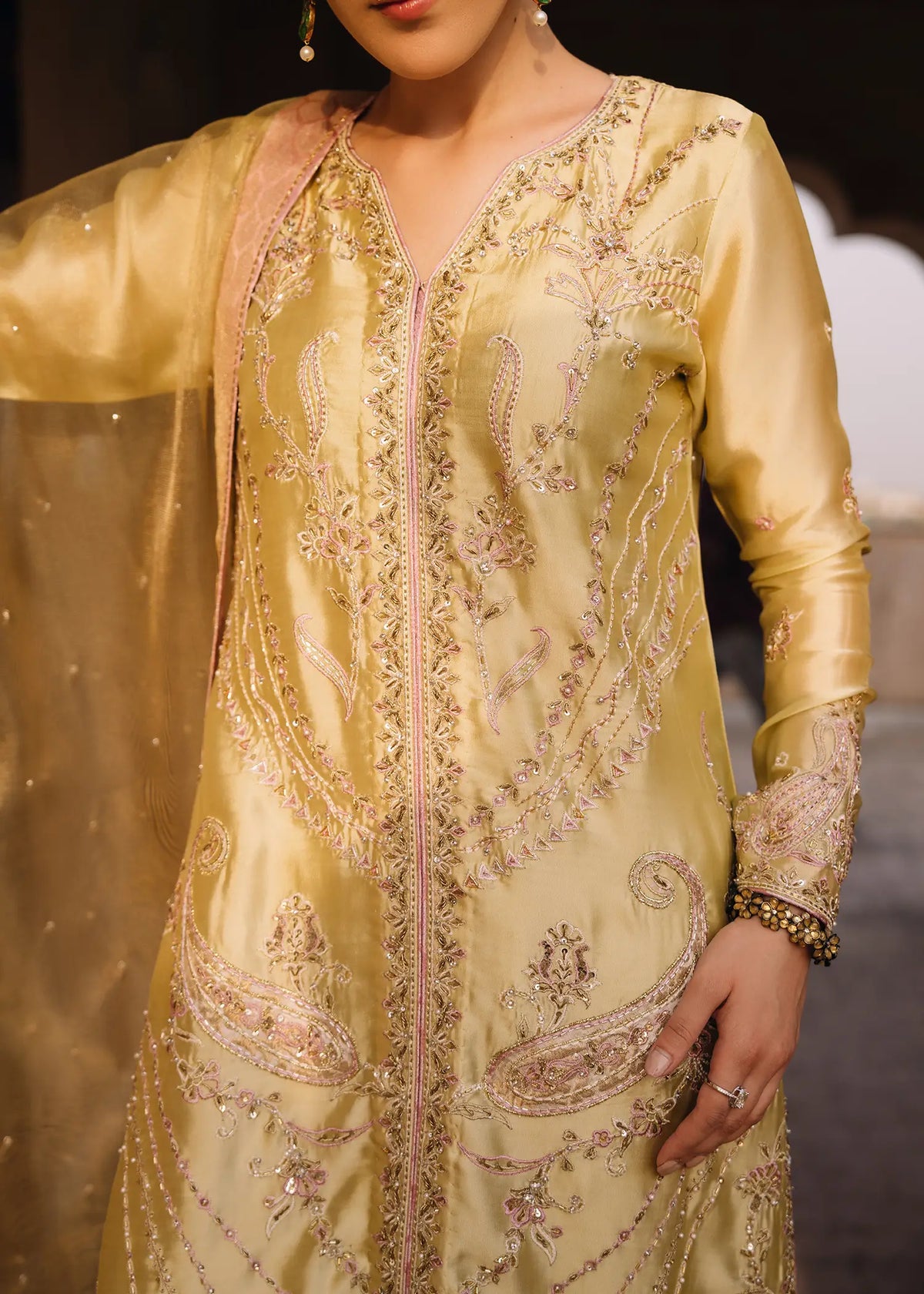
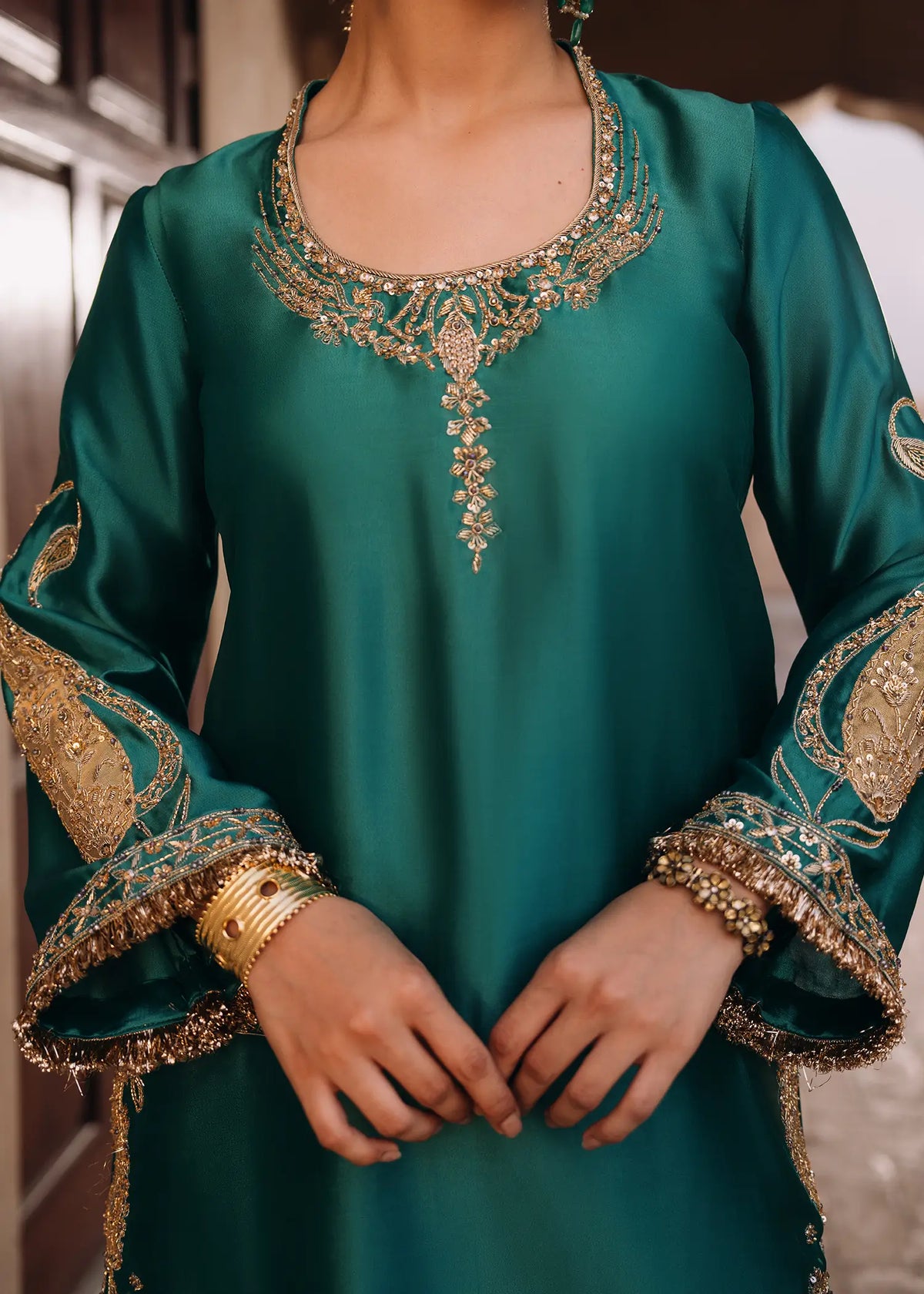
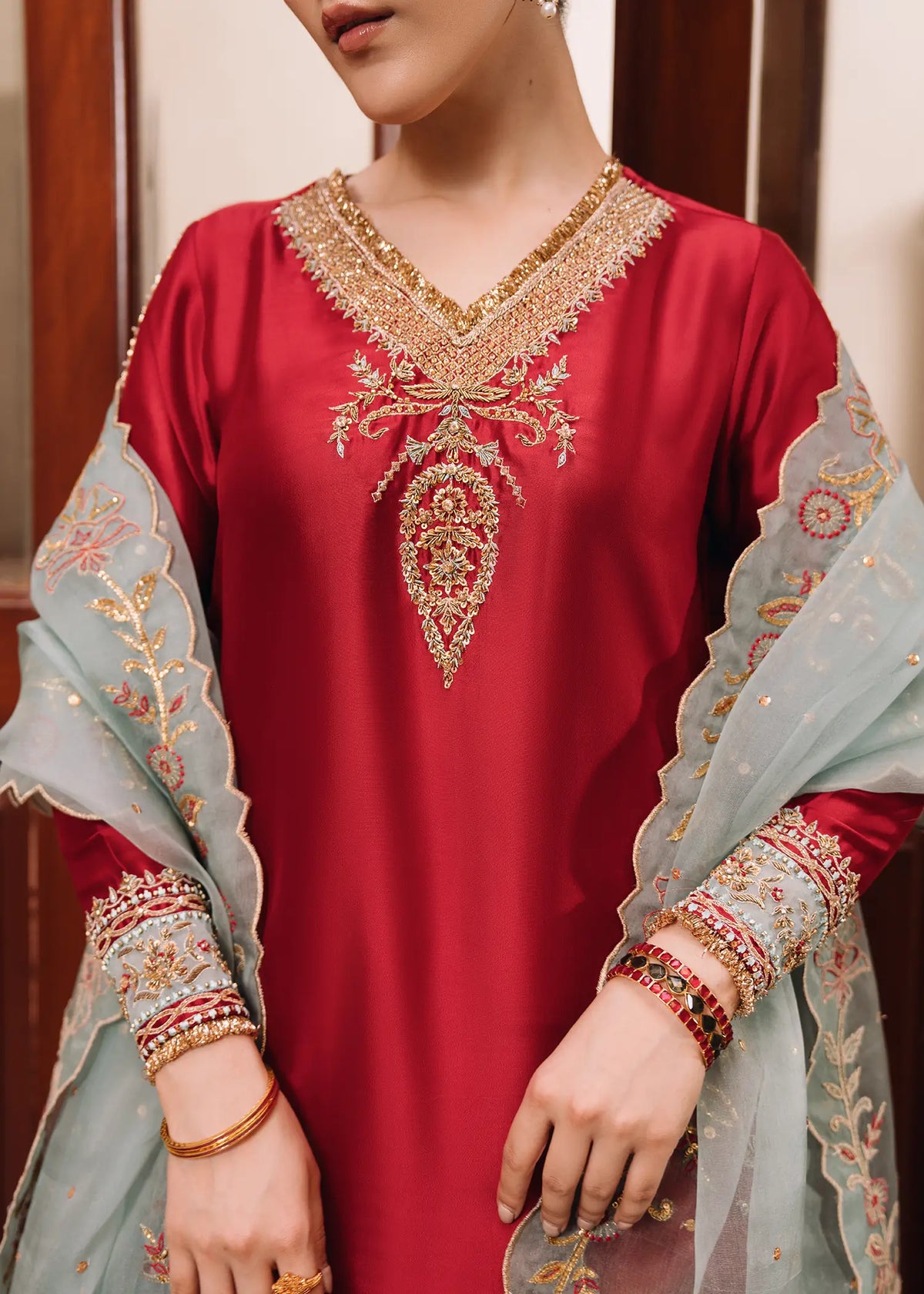
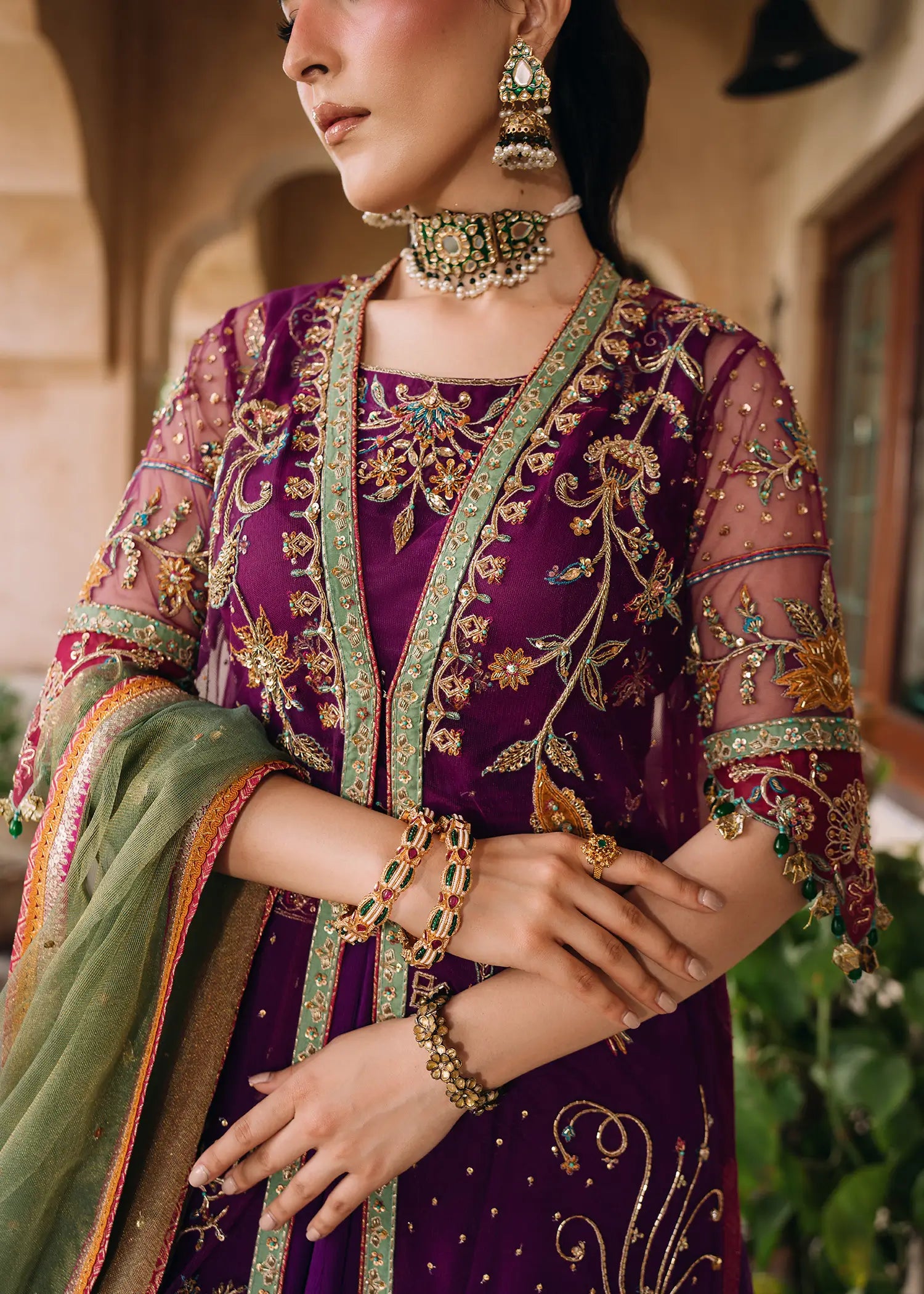
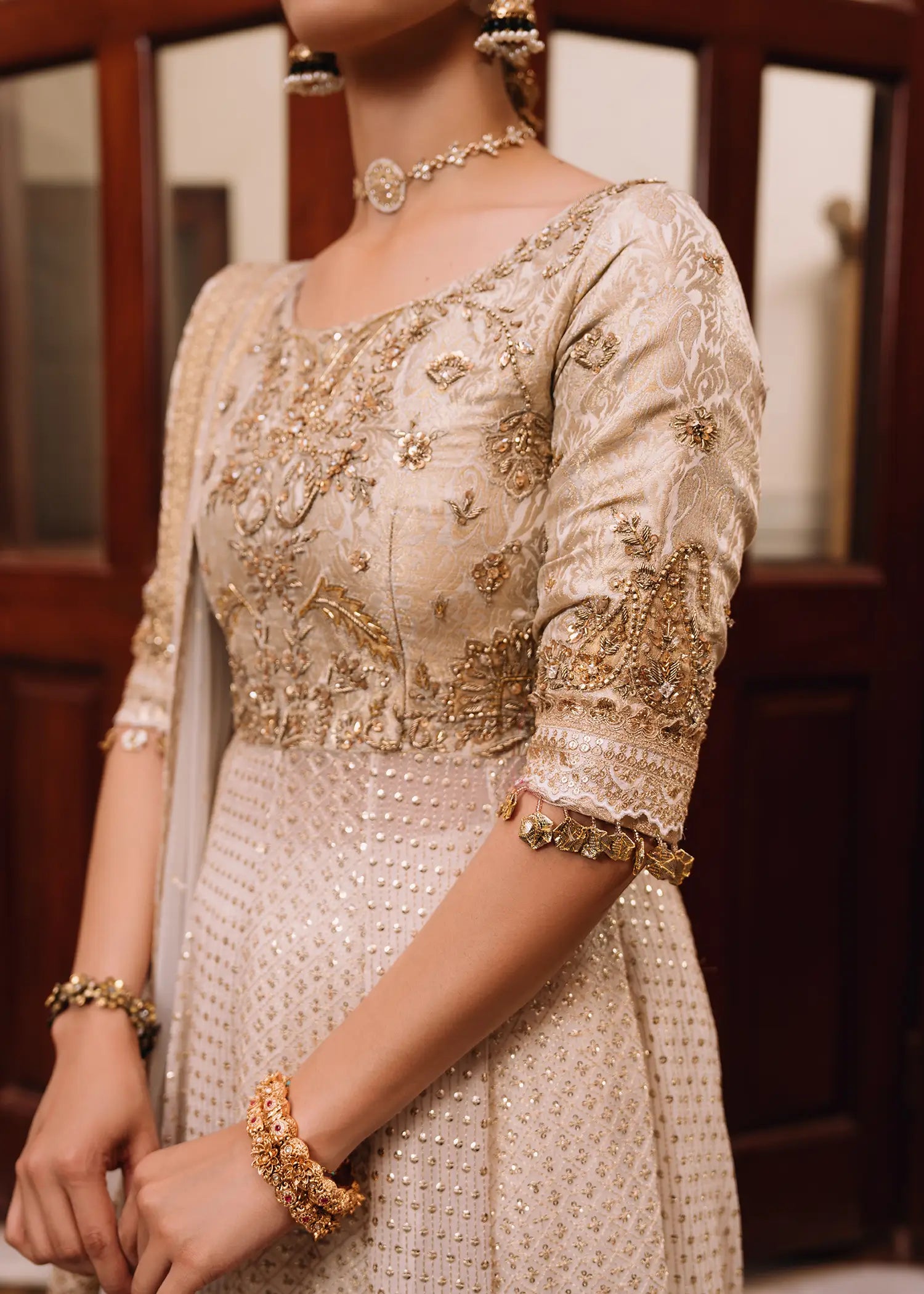
Embroidery is an important aspect of the formal character of Amaltaas '26. The collection contains techniques and other details such as zardozi, resham, cutdana, sequins, patchwork, and other finishing techniques based on the design.
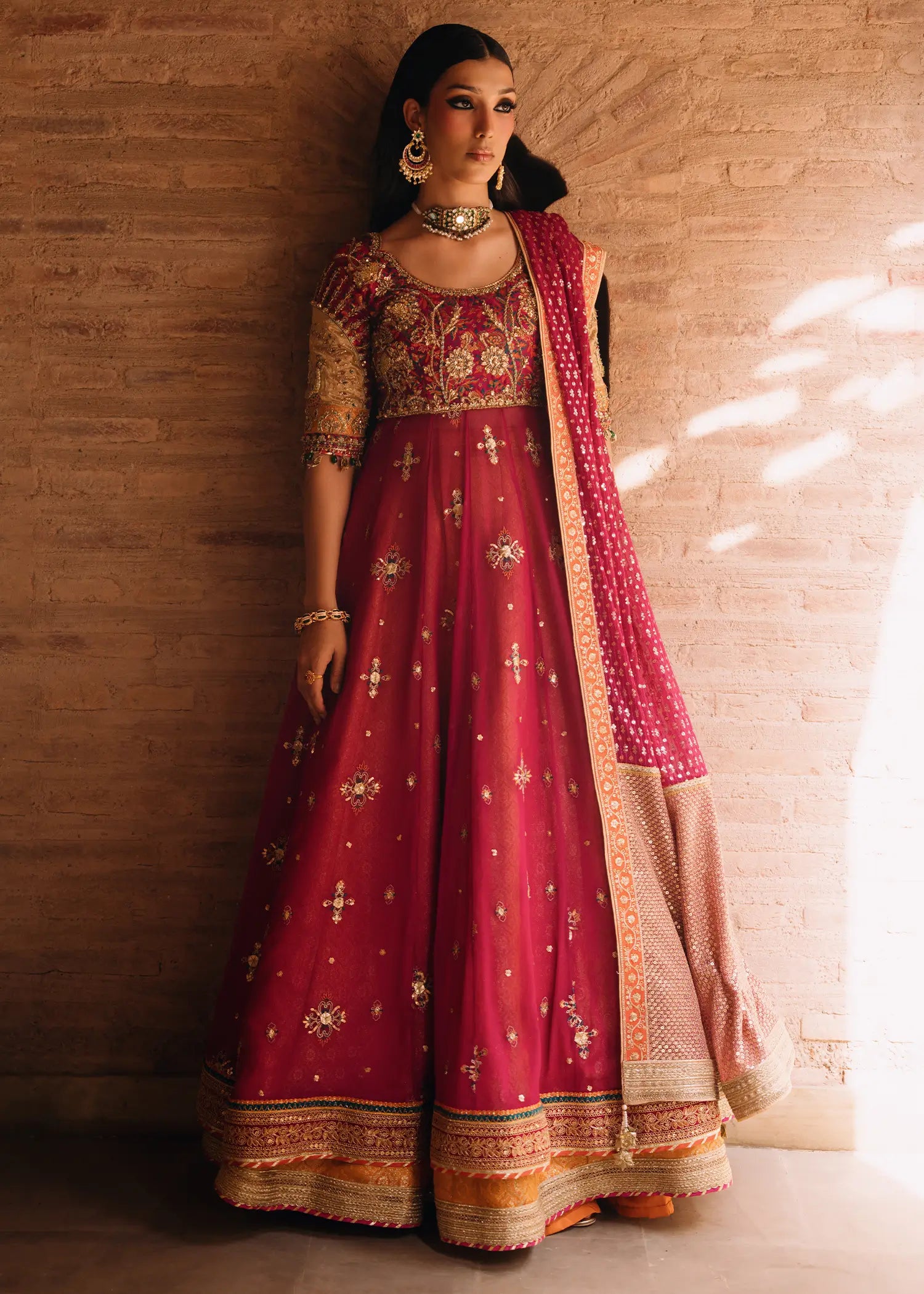
Some pieces feature darker colors such as red and emerald; others, a more vibrant spectrum, such as peacock green and lime. Some of the dupattas lean on organza, others on khadi net, mostly to give the outfit a bit more texture where it needs it.
Lehenga Choli and Kalidar Dresses for Festive Occasions
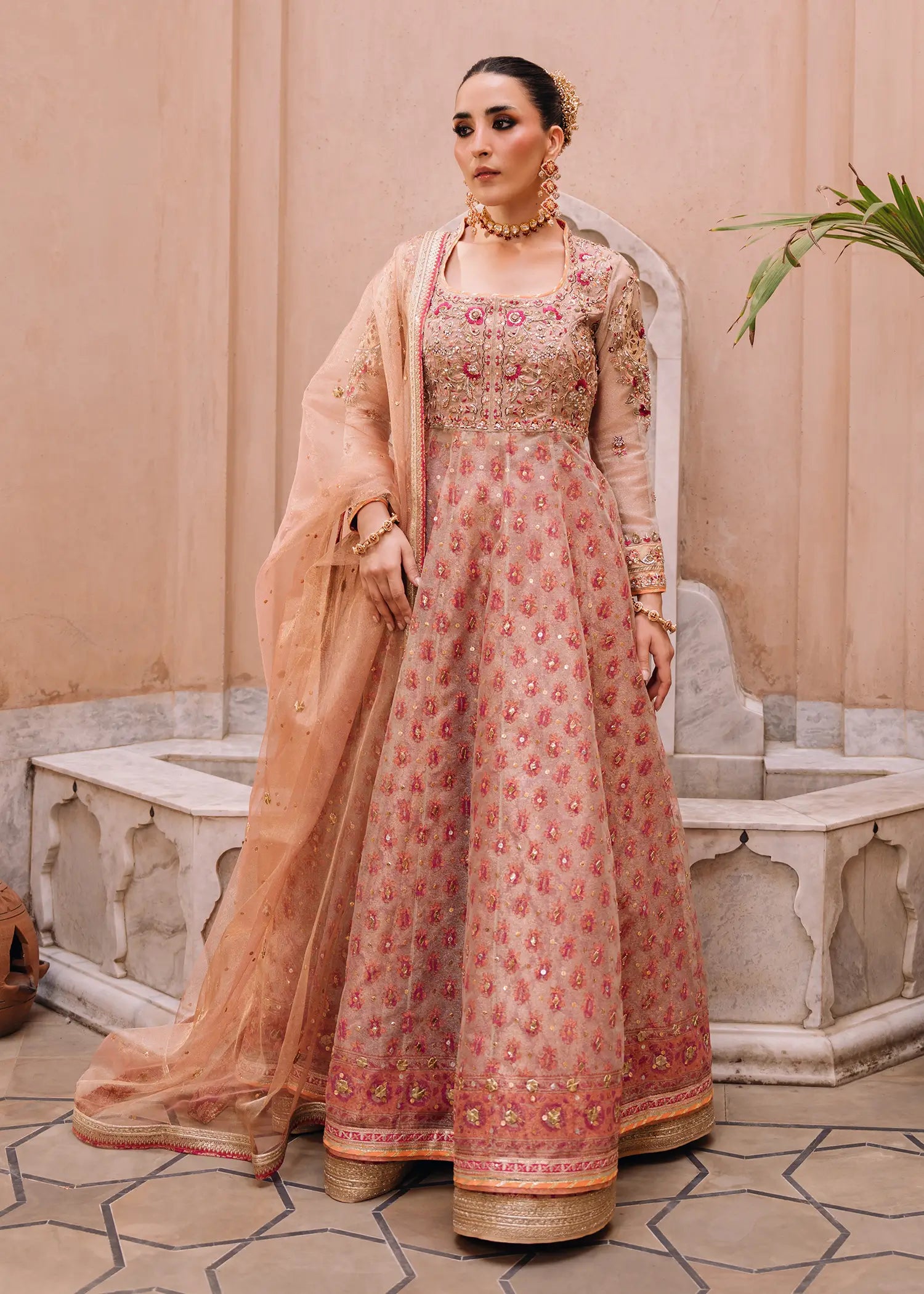
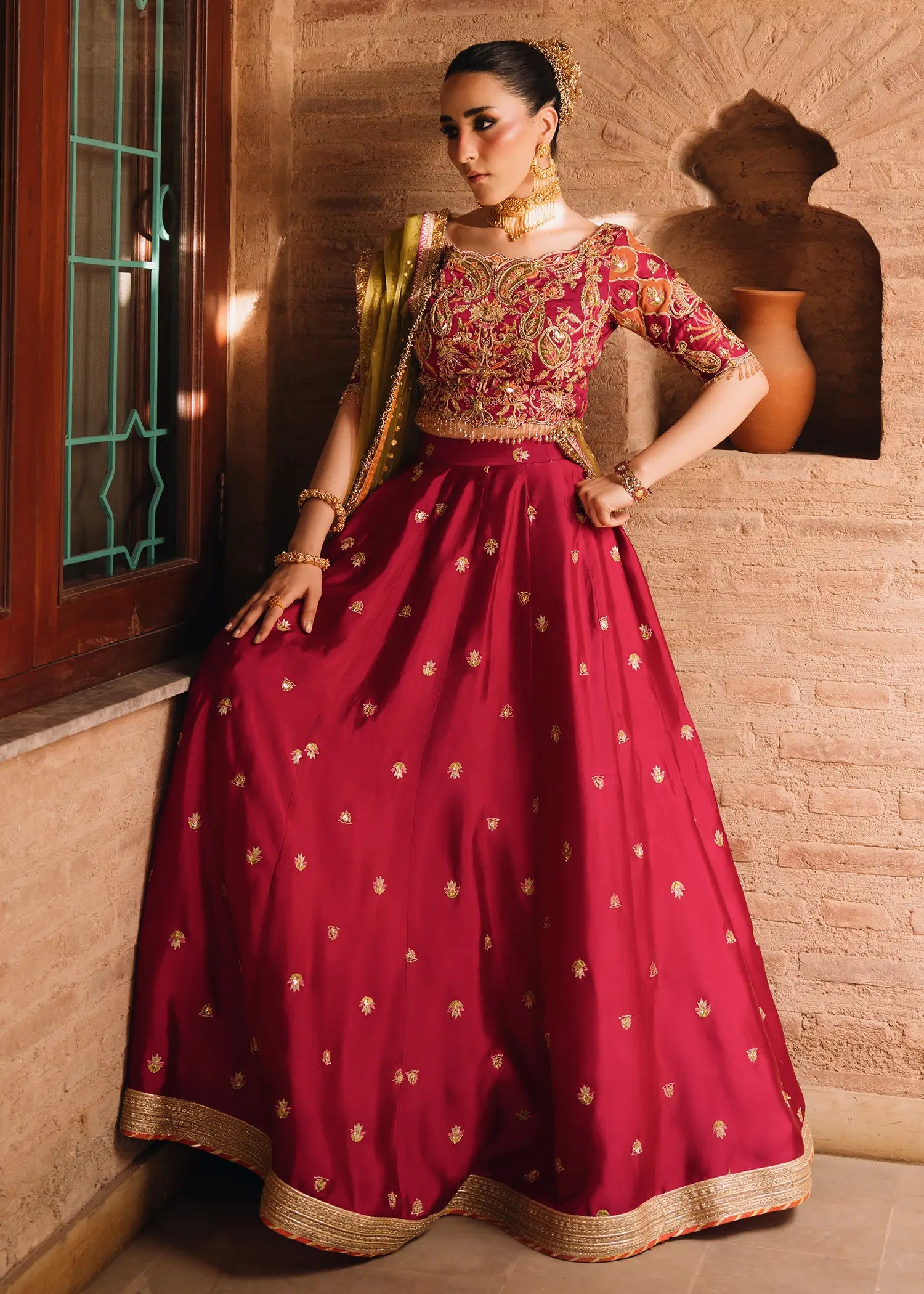
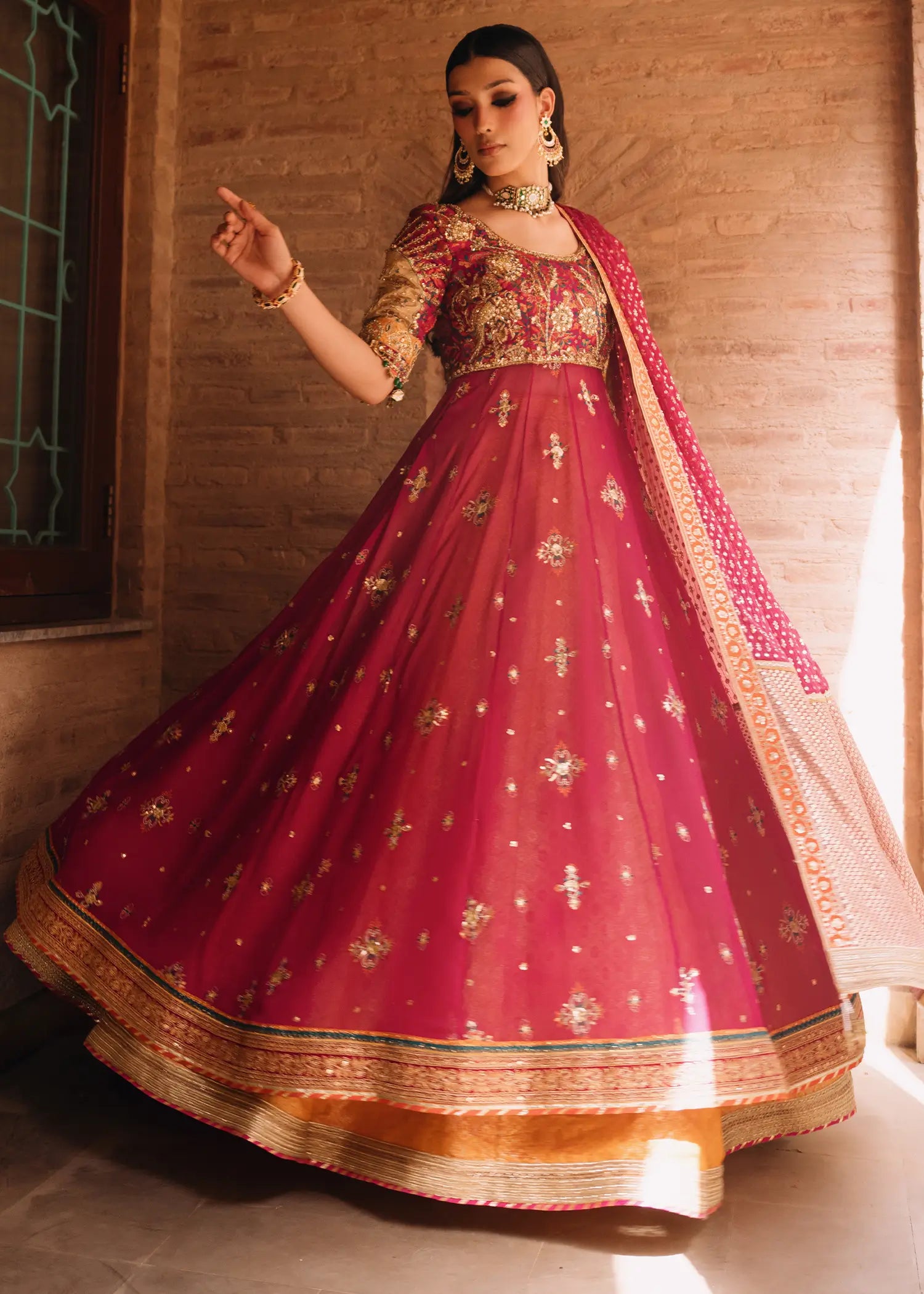
For anyone after something a bit bigger and more dramatic, Amaltaas '26 moves past the three-piece suits into lehenga choli and kalidar styles instead. These looks bring more volume and detail, making them a natural choice for bigger wedding events.
These are perfect pieces for occasions when the attire should be more of a representation, such as an elaborate baraat dress or a more complex reception gown.
Silhouettes in the Collection
The collection explores multiple formal shapes, including lehenga choli, kalidar dresses with a lehenga base and jacket-style pieces worn over fuller skirts.
Fabrics and finishing depend on the design. Some pieces use ivory colours with block-print detailing, while others combine tussle silk, mukesh net, khaddi net, zardozi work, and other decoration techniques. This variety keeps the collection from feeling like one repeated formal template.
Handwork and Finishing by Piece
There doesn't have to be a uniform degree of detail for every formal look. Various techniques like zardozi, resham, gota, cutdana, and other decorative work are used across Amaltaas '26 based on the individual design.
Jamawar, mukesh net, and embroidered net details can add depth to a design, while lighter fabrics and colours provide a less busy and more understated appearance. This gives the collection different levels of formality instead of one single idea of festive attire.
Choosing Formal Wear by Occasion
What works for formal wear can depend on the event just as much as personal style.
Bigger prints and colours that allow for more movement can complement the energy of a mehndi. An embroidered suit or lighter formal outfit may feel more natural here than a multi-layered ensemble.
A nikkah may call for a more sophisticated style. Clean embroidered suits, soft colours, or an ivory kalidar can create an elegant look without appearing too elaborate.
In the case of baraat, it is advisable to incorporate any type of heavy embroidery and fabrics, especially if you are looking to dress up for a traditional formal occasion. For this, one can wear a lehenga or a suit that has been embroidered with lots of work.
If someone is taking a photo session, they can choose to wear fancy dress, a three-piece suit, or a more traditional lehenga for the session, which can be held at a reception or walima. Typically, the one that is most appropriate is going to be the one that fits the event and the extent of adornment that you can embrace.
Pricing Across the Collection
Amaltaas '26 is part of JEEM's luxury formal line, and the price varies depending on the fabric, embroidery, handwork, and construction of each piece. It currently starts at PKR 62,500 going up to PKR 108,000, providing some variation in luxury formalwear.
There are several layers of embroidery and silhouettes in the collection, which can be taken into consideration for the event and the kind of look you're aiming for.
Collection Summary
Amaltaas '26 is JEEM's festive formal collection for the different dressing needs that come with wedding season. It brings together embroidered three-piece suits featuring different cuts like sharara, churidar, and cigarette pants, along with lehenga, kalidar, and jacket designs for more formal occasions.
The fabrics and finishing in the collection differ by design and include sheesha silk, jamawar, khaddi net, tussel silk, organza and mukesh net, as well as embroidery and embellishment including zardozi, resham, gota, cutdana, sequins and Swarovski work where featured.
Frequently asked questions:
1. What should we wear for different Pakistani wedding events?
Well, it depends on the function. There aren’t any rules for Mehndi; it is meant to be bright. Pastels or soft colors may be better for Nikkah. The heavier and more ornate ones come out for the Baraat. Amaltaas ’26 encompasses all three of these. It's simply a matter of choosing the perfect piece for the occasion.
2. What is the difference between the formal wear and bridal wear?
There are two types of clothing: formal wear for guests, bridal wear for the bride. Bridal tends to be heavier and costlier since it would be the main attraction of the day. The Amaltaas is firmly in the realm of the formal genre for JEEM. Well, this is what the whole collection is about.
3. JEEM works with which textiles in this collection?
A variety of fabrics are used throughout all of the pieces, made from sheesha silk, jamawar, khaddi net, tussle silk, organza, and mukesh net. Then there is the embroidery – zardozi, resham, gota, cutdana, and sequins. That's what adds much of the detail to the outfits.
4. How do I style the same outfit for different events?
Honestly, the dupatta drape alone changes everything. Pin it over one shoulder for mehndi, let it sit looser for something like baraat. Swap the jewellery too if you've got it, but the dupatta does most of the heavy lifting. People won't even realize it’s the same outfit."
5. what zardozi embroidery mean?
Zardozi is a traditional embroidery work that is done with the use of metallic thread. It can be used in conjunction with other embroidery, like resham or cutdana, to add texture and detail to the garment.